
✶✶✶✶
(poetry)

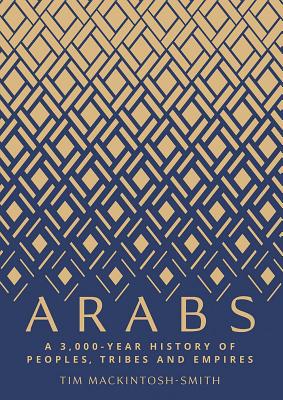
“In this breathtaking book, Tim Mackintosh-Smith takes us through 3,000 years of Arab history. The unifier is not, as one might guess, Islam,” Richard Wirick writes in his book review.
(review)

Now, I sometimes want to go back to that time and say, “Goddammit, kid, what the hell is wrong with you? You don’t seek comfort in the same hands that dangled you off a ledge; you always keep your back up when around a person who’s low enough to attack you from behind; and, if someone cuts off a chunk of your flesh, you stay away. ”
(nonfiction)

I should note, as a white person among the white majority of Americans, that white people need to be more reminded of this history because it’s easier for white people to ignore that history.
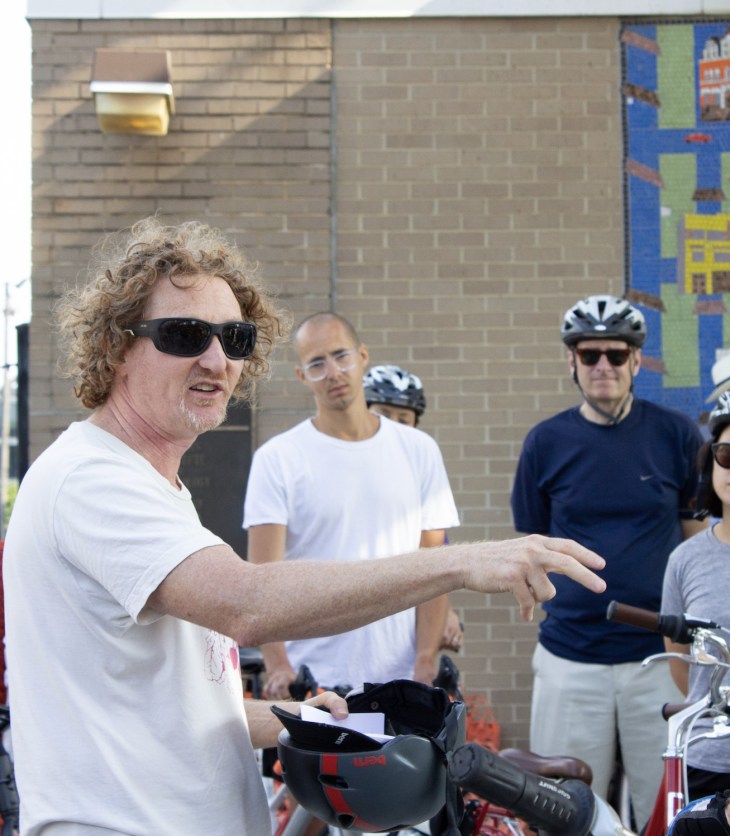
Bike riders get a chance to see the sites of the 1919 Chicago riots.
(The Loop)

I asked why I was being taken aside. A woman in uniform and gloves told me I had to be screened for bomb paraphernalia.
“Do you speak English?” she asked me. This was after I had asked her why I was being taken aside, in perfect English.
(nonfiction)

I can’t conceptualize the poverty. None of us can. How do you make something of yourself in a new country when you came here with nothing?? When you’ve been starving for years in your own country and come here to a land with so much food, so much sweet smelling, fattening, beautiful food . . . and you with no money to buy it.
(nonfiction)

In the book, a Dakota “spirit” reminds Mary Todd Lincoln that despite Abe’s mainstream legacy as the hero who ended slavery, “Lincoln’s actual record on racial equality is fraught with violence and oppression,” Sarah Sorensen writers.
(review)

After a while, I started to think she might fall for me. I thought she might leave her husband and come live with me in my small one-bedroom along the river. We’d find our own space eventually, maybe get a dog. It would be hard at first—I’d have to adjust to her working all the time, but we’d make it through.
(fiction)

Overlooked buildings on Chicago’s South Side, photographed by Lee Bey from his book “Southern Exposure”

“Bey’s examination points to the long history of racism, classism, and economics that have ingloriously combined to create the particular set of circumstances that give rise to contradictions,” reviewer Philip Berger notes.
(review)

Almost seventy years after the founding of the People’s Republic of China, and while the Hong Kong protests continue, Richard Wirick looks back at the 1989 Tiananmen Square protests and the violent government crackdown.
(nonfiction)

Graphic essay mashup of an early 1950s pulp comic book and text from legendary Argentinian art collective Tucumán Arde.
(The Loop)
Nobody likes it when you scream in the street, when you turn over trash bins but can barely remember your own name.
(fiction)
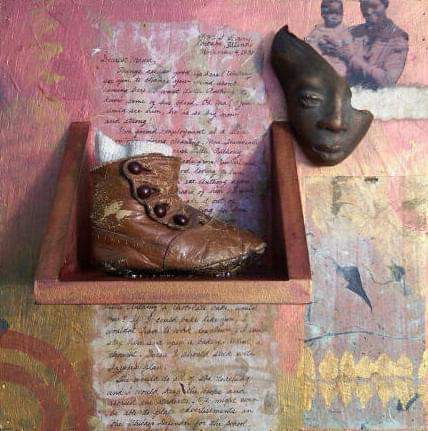
The bid-whist-playing, gin-drinking, chit’lin-cooking, barbecuing, party-loving Pattersons. That was Mama’s family–loud, boisterous and slightly disreputable. Miss Jonita declared them “country,” though the Pattersons had been established in Chicago a good half-century before Miss Jonita’s people came Up North, or as Black folks ironically deemed it, “Up South” from Arkansas.
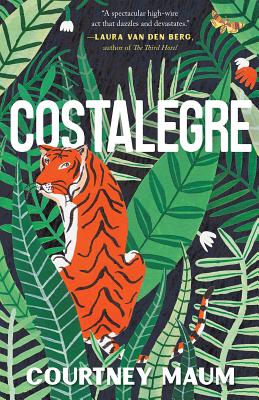
“It is, in so many ways, a novel about waiting. Lara waits to become an adult. The artists wait for the boat of their artwork to arrive in Mexico from Germany. They wait to feel inspired. Time is at once abundant, and yet, as concentration camp survivor, Konrad, is infinitely aware, terrifyingly brief,” Sarah Sorensen writes.
(review)
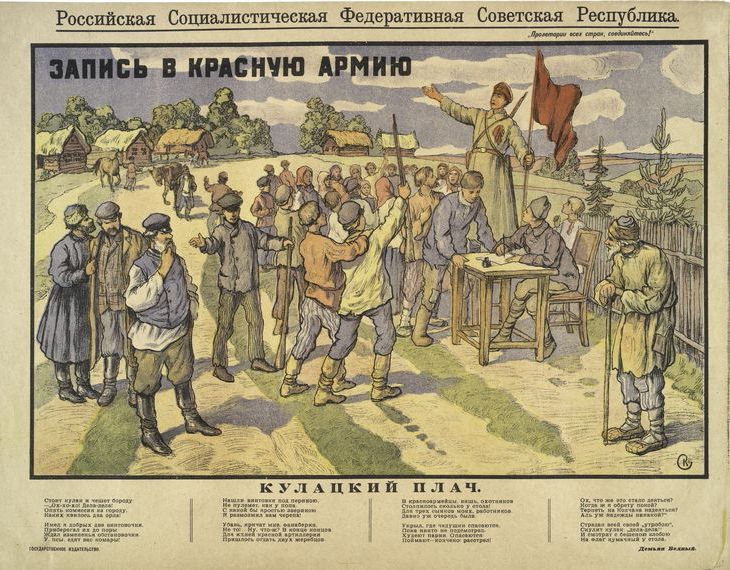
It becomes increasingly clear, then, that the government does not intend to use its army as an institution of pure militaristic purpose. If it did, then it would have focused on quality over quantity
(nonfiction)
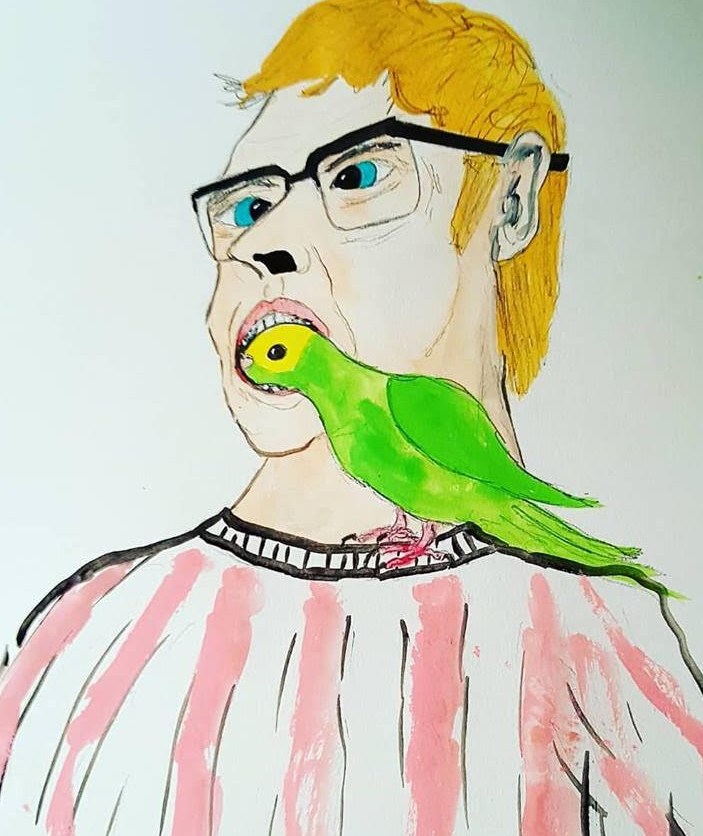

“People have certain views even about building walls, etc., but that doesn’t mean they’re racist, it means they’re genuinely afraid. Of course there were the weird, psychotic people but the majority of people it seemed to me were reasonable and kind, even the ones who hold certain views,” Tarek Mounib tells ACM.

Solve this problem: Your daughter’s playing with a doll, a gift she just received from a friend. The doll is white.1968: John Carlos gives the black power salute Arthur Ashe wins the first US Open. 1970: Toni Morrison The Bluest Eye the problem of “whiteness” as a standard of beauty Arthur Ashe wins the Australian Open. 1972: Bettye Saar The Liberation of Aunt Jemima 1975 the liberation continues Arthur Ashe outthinks Connors to win Wimbledon “no matter what I do, or where or when I do it, I feel the eyes of others watching me, judging me.”
(nonfiction)

“I help my clients open their chakras, channel their sensual energy, and find their heart space.”
“Heart space?” I ask.
“Yeah…like, you know,” she says, placing her hand just above my left breast. “Many of my clients have trouble with love.”
I stare at her.
(fiction)

Krystal developed into a first-string basketball player, and in junior high she’d been scouted. The acting-out years began and Krystal was sent to Elan, a residential school for troubled teens.
(nonfiction)

When it became clear that Azar did not have the speed, synchronization or physical strength to filet an adequate number of codfish per hour, the manager moved him to the women’s line.
(nonfiction)
The day before the world was supposed to end, Kasumi woke up in the morning and slipped into her school uniform as usual.
(fiction)
 Another Chicago Magazine