“So, I’m not saying one’s better than the other, but maybe because [Iraq] had so many wars, they put people first. In our culture, we put profit first. Our whole geopolitical conduct has now become quite transactional. If you say [Trump] is a mandate from the American people, then that’s saying something about the values of voters,” Alex Poppe tells ACM.
Tag: Interviews
“One of the overwhelming and heartbreaking themes of mass incarceration is dehumanization. Time and time again, these stories of what happens to prisoners in any of these systems gets buried under all of the legal jargon. And the back and forth in courts, the many steps that happen take power away from the incarcerated and erase the story of the individual,” Chloe Accardi tells ACM.
“We live in a world of translation—and mistranslation, as between the coexisting people and languages there’s a lot of noise—meaning, all the elements that don’t let the message from the source be appropriately received,” Dimitris Lyacos tells interviewer Toti O’Brien.
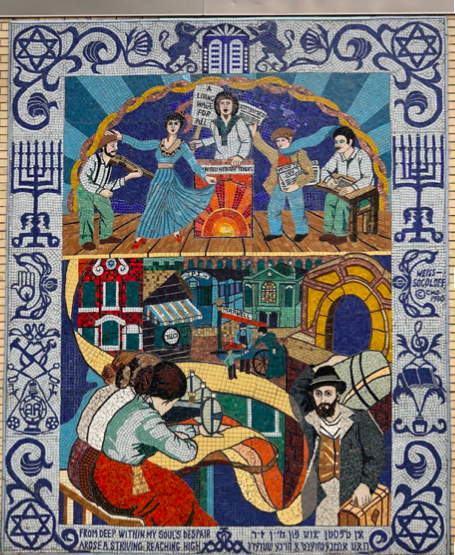
“I Like to Think That We Were Kind of Pioneers.” An Interview with Cynthia Weiss and Miriam Socoloff
“To actually physically be fixing broken things just felt like this is the only thing to be doing right now. It is our job as Jews to do tikkun olam–to repair the world.”
(interview)
“If you want to be a writer, you get to be one forever. Sometimes that means big chunks of time where you are not building sentences because you’re living the experiences that you’re going to build the work out of. So drop the shame about it,” Megan Stielstra tells Barbara West.
(interview)
“My son’s mind had turned against him but the need for process moved him through a different portal,” Miriam Feldman tells Tanya Ward Goodman.
“I overcome the tension of trying to write by cooking. Next to smell, taste is the strongest sense in terms of conveying emotions,” Maggie Kast tells Jan English Leary.
“I did not live any of my life in a literary community. Holding an array of different jobs for almost thirty years, I used to think I could publish my resume as a novel,” Sari Rosenblatt tells Avani Kalra.
Donald Ray Pollock’s Hillbilly Gothic peels back the sanitized “heartland” image of the Midwest, revealing the often-overlooked rural people. An interview by Jarrett Kaufman.
“Stories of immigration, grieving, displacement, disaster, and language itself explode in this debut by Chicago-based writer Michael Zapata.” An interview by Samuel Schwindt.