In New Zealand, we don’t do class warfare like the British do, although we bring it with us. Ours isn’t as refined. But it’s just as complex and many times more insidious.
(nonfiction)


In New Zealand, we don’t do class warfare like the British do, although we bring it with us. Ours isn’t as refined. But it’s just as complex and many times more insidious.
(nonfiction)
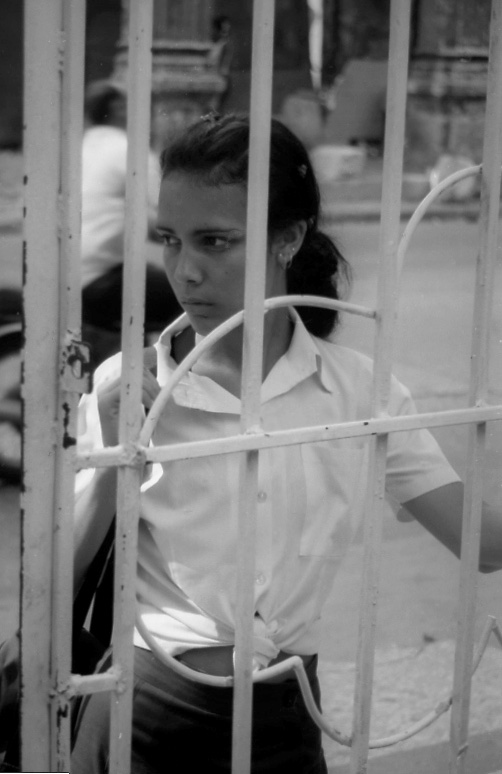
I mentioned the most important aspect once we were out of the taxi and waiting for the electric-blue bus: never fall asleep. The ride’s purpose was not to get comfortable or distracted.
(nonfiction)

We were excited to go to Ukraine
because we were promised a disco night in Donbas organized by a local Young Pioneer
group, a junior division of the Communist Party.
(nonfiction)
In a text to a friend, months after the last time I see her I say, “She still has my heart.”
“You’ll want to get that back,” he says.
(nonfiction)

After the death of University of Iowa nonfiction force Carl Klaus, three writers reflect about his impact and influence.
(nonfiction)

I wonder if we’ve grown increasingly desensitized to the number of severe weather events we face in a destabilizing climate. Even those of us directly affected think of it as an anomaly, unlikely to happen again—at least to us.
(nonfiction)

I might have pounded on the door or tried to break the window or loudly insisted on the key. And I might have awakened an angry, unbalanced and much stronger man.
(nonfiction)

Transit Authority regulations required drivers, young and old, to wear bland gray ties around the collars of our bland gray uniform shirts in addition to gray regulation sweaters and jackets, but after checking in for our routes for the day and transfer books many of us hotshots replaced our ties with tropical bandanas as a way of putting a little color into the city’s frequent gray days.
(nonfiction)
I became an English teacher to help students feel a bit less lonely in the world through the literature we read. Identifying with other characters who also were lonely, like Juliet, sometimes seemed to work. How odd it must seem that one’s isolation might dissipate when reading about someone else feeling lonely, but there it is.
(nonfiction)


