“Being a mother is dynamic, and the dynamism of motherhood lends itself to narrative,” Julie Phillips tells interviewer Margaret Juhae Lee.


“Being a mother is dynamic, and the dynamism of motherhood lends itself to narrative,” Julie Phillips tells interviewer Margaret Juhae Lee.

“If a doctor says, ‘The curve of your spine makes me think of a river, or a snake in action,’ that would make me feel like part of nature instead of an unnatural aberration,” Riva Lehrer tells interviewer Irina Ruvinsky.
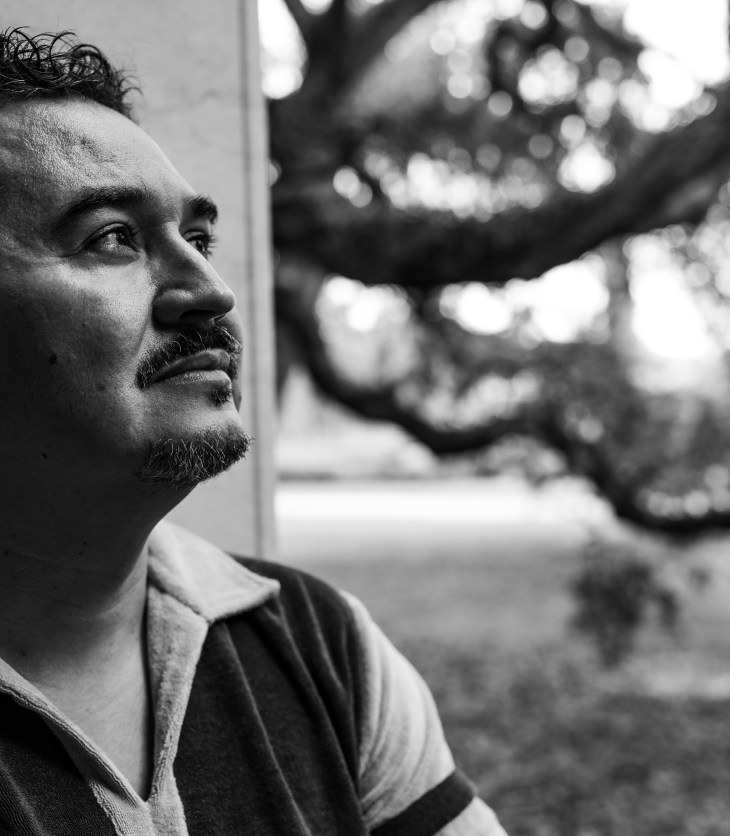
I go to the county jail to see one father and discover that the other one is there.
(interview)
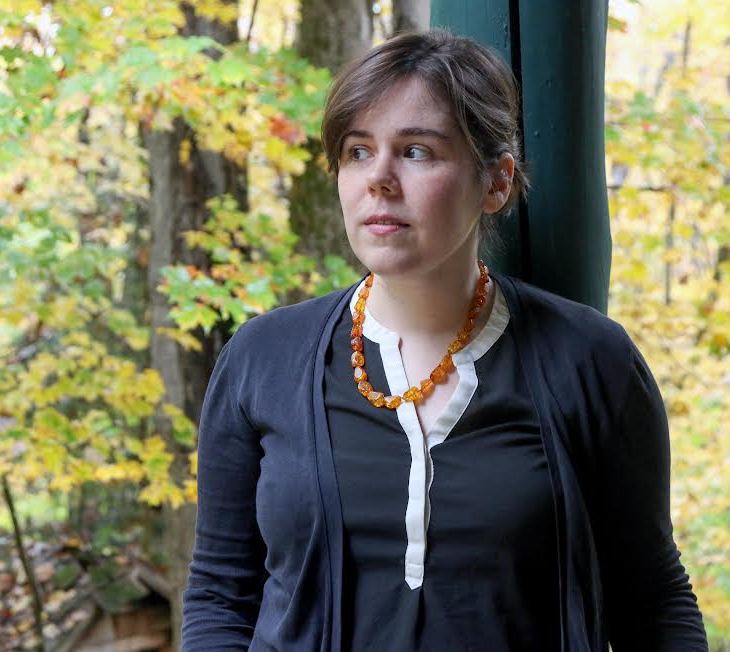
“I think that as long as you treat your characters with compassion, and you’re thoughtful and empathic and you do what you can to support their narrative and their truths,” Emily Maloney tells Barbara West.
(interview)

“If you want to be a writer, you get to be one forever. Sometimes that means big chunks of time where you are not building sentences because you’re living the experiences that you’re going to build the work out of. So drop the shame about it,” Megan Stielstra tells Barbara West.
(interview)

“Really it was like possession . . . Renata is her own complete being as far as my psyche and processes know,” Frank X. Gaspar tells Millicent Borges Accardi.

“My son’s mind had turned against him but the need for process moved him through a different portal,” Miriam Feldman tells Tanya Ward Goodman.
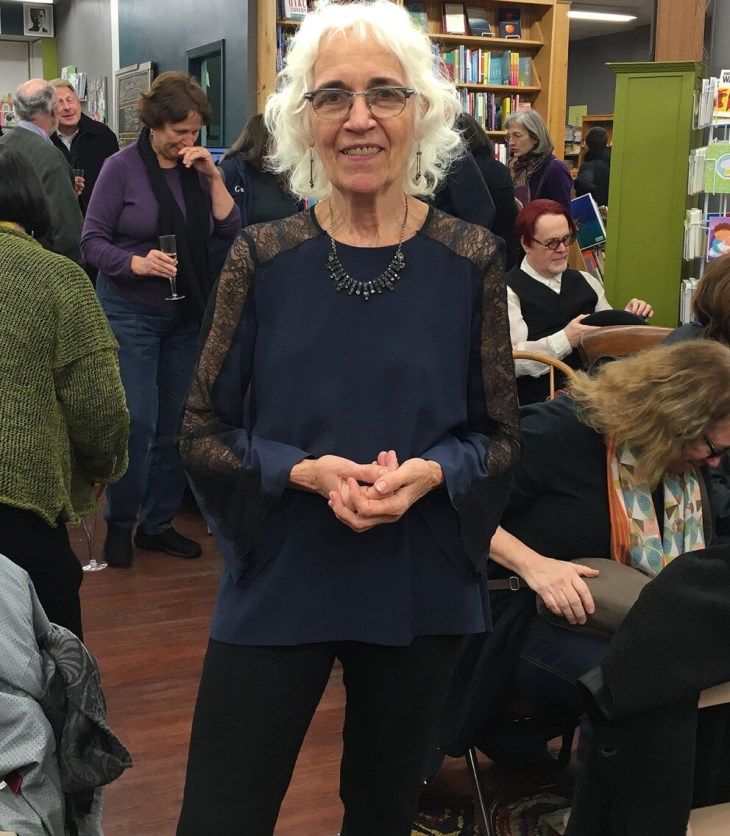
“I overcome the tension of trying to write by cooking. Next to smell, taste is the strongest sense in terms of conveying emotions,” Maggie Kast tells Jan English Leary.

“I did not live any of my life in a literary community. Holding an array of different jobs for almost thirty years, I used to think I could publish my resume as a novel,” Sari Rosenblatt tells Avani Kalra.

I’ve chosen to work with concrete to speak about the impulse to create permanent structures, but also to speak about impermanence, change, and loss, Ledelle Moe tells Helena Feder.

