“You Can’t Have All the Lives at Once”: An interview with Alex Poppe by Meredith Boe

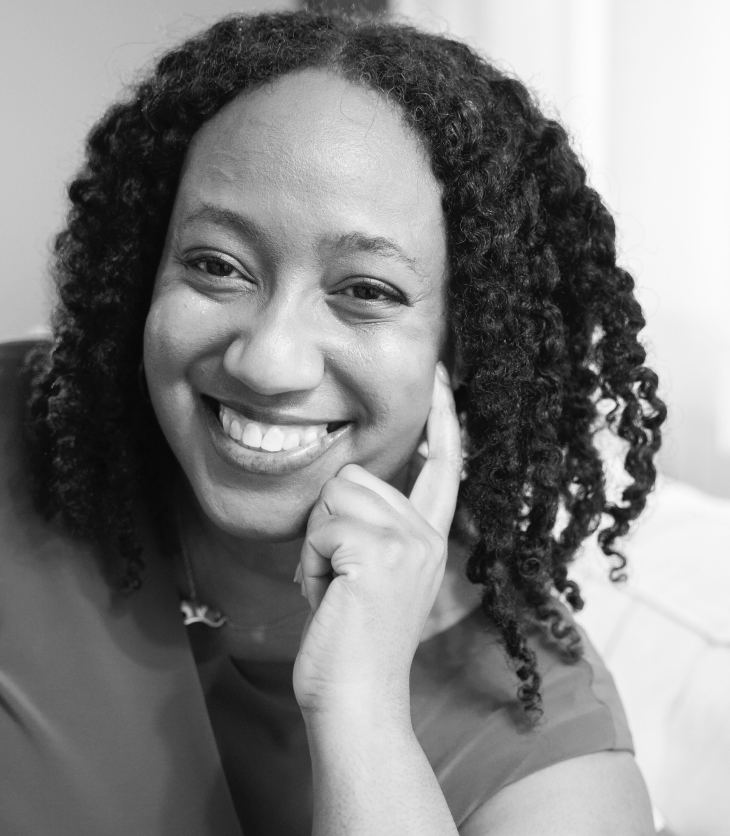
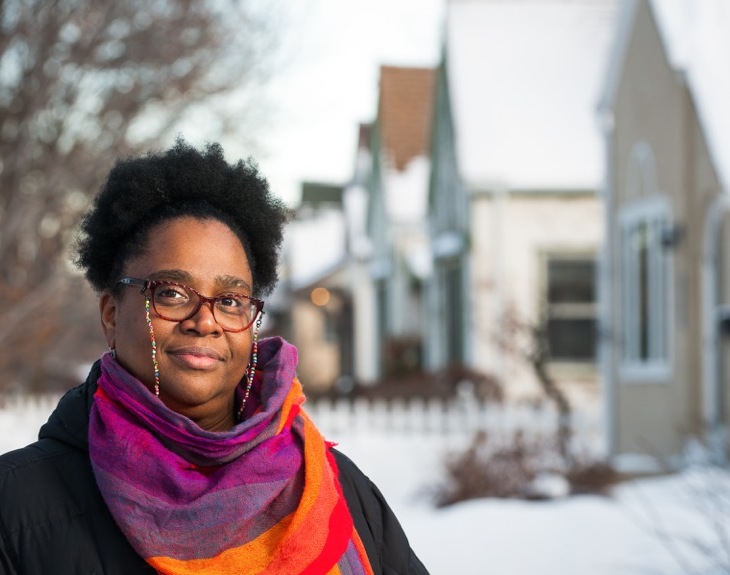
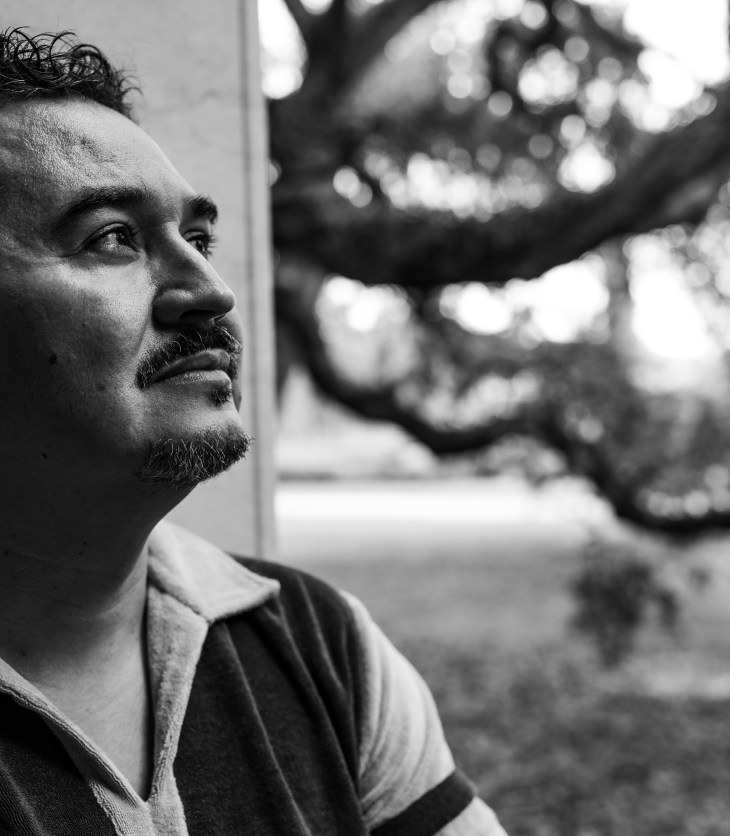
“So, I’m not saying one’s better than the other, but maybe because [Iraq] had so many wars, they put people first. In our culture, we put profit first. Our whole geopolitical conduct has now become quite transactional. If you say [Trump] is a mandate from the American people, then that’s saying something about the values of voters,” Alex Poppe tells ACM.

“The incarcerated are forgotten time and time again”: A conversation with Santa Fe curators Chloe Accardi and Patricia Sigala by Sasha Weiss with Ellye Sevier

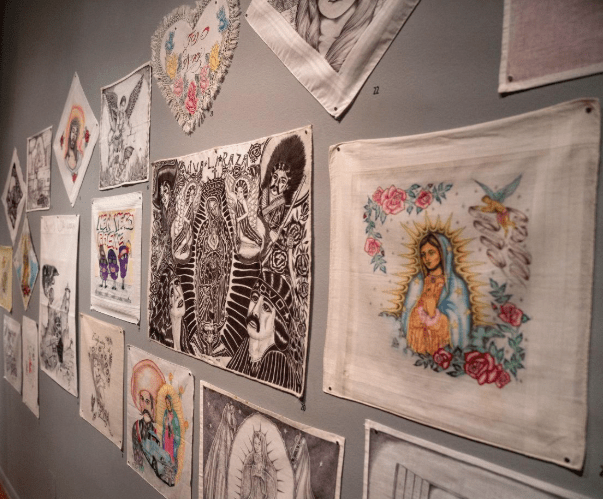
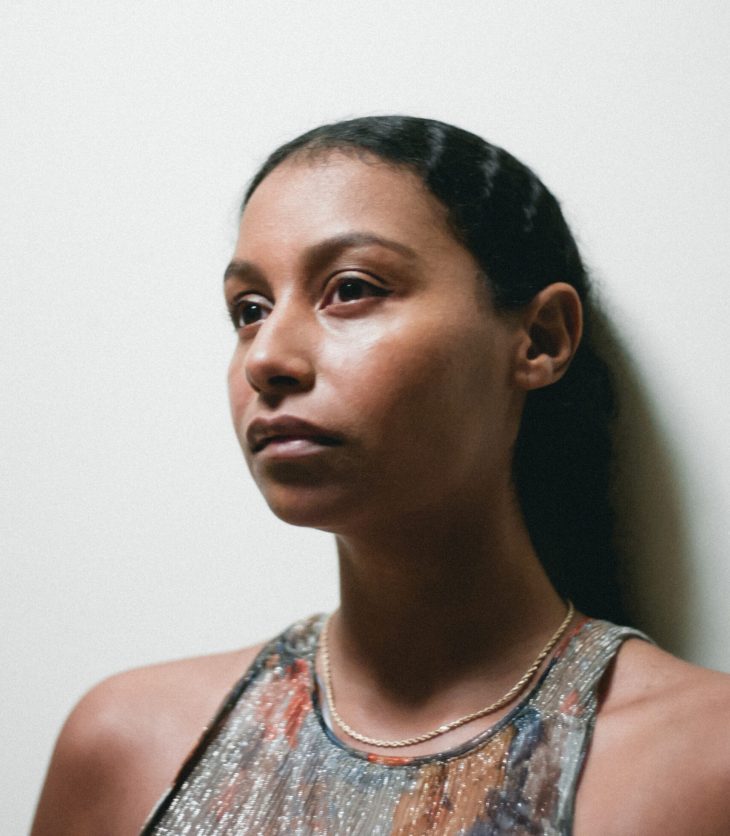
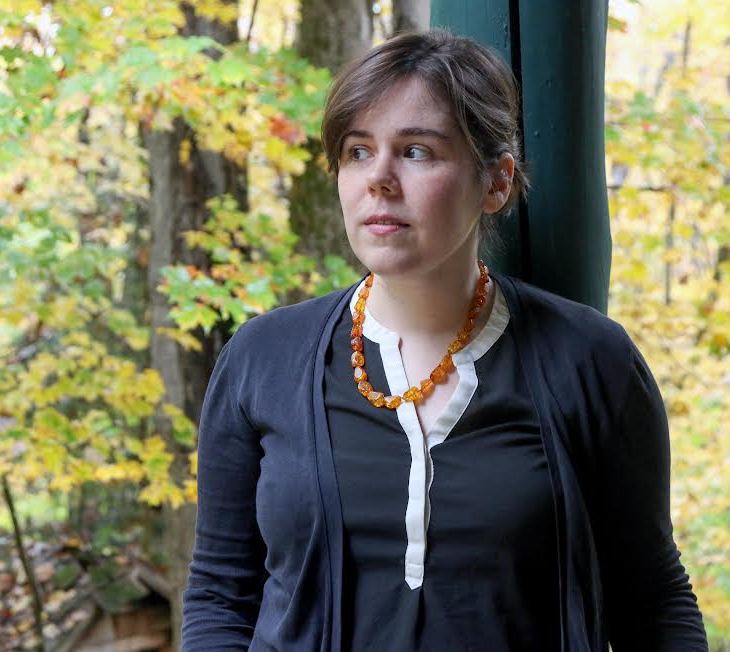
“One of the overwhelming and heartbreaking themes of mass incarceration is dehumanization. Time and time again, these stories of what happens to prisoners in any of these systems gets buried under all of the legal jargon. And the back and forth in courts, the many steps that happen take power away from the incarcerated and erase the story of the individual,” Chloe Accardi tells ACM.

“The book wasn’t put together to make anyone comfortable”: An Interview with Louis Bourgeois by Mike Puican

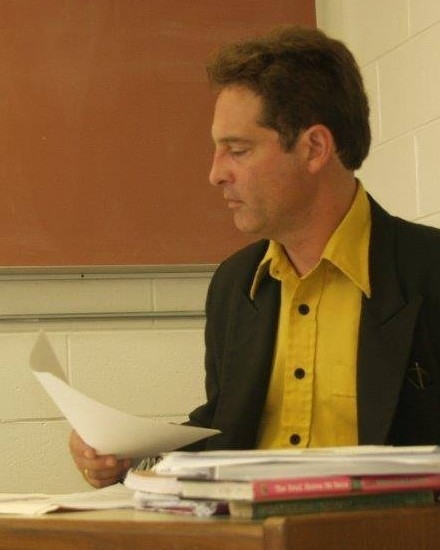
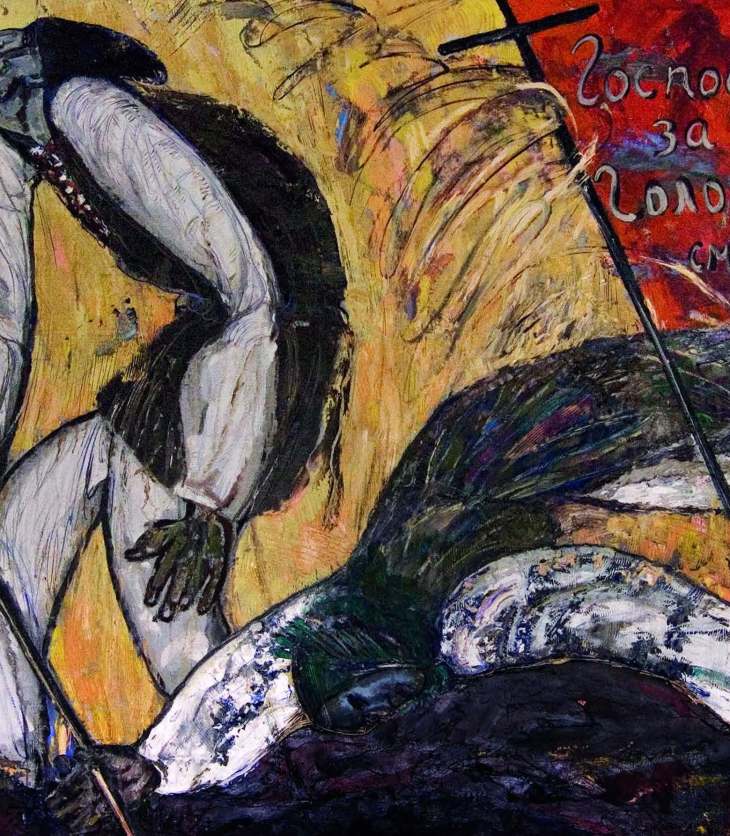
“As it relates to Unit 29 specifically, writing offered a rare opportunity to convey a message that would actually be read. For some, it was an opportunity to attempt something they never tried before. The act of writing and the program itself allowed for a structure by which they could order their lives in a chaos that barely ever sleeps,” Louis Bourgeois tells interviewer Mike Puican.

“Libraries were always the places I felt the best in”: An interview with Donna Seaman

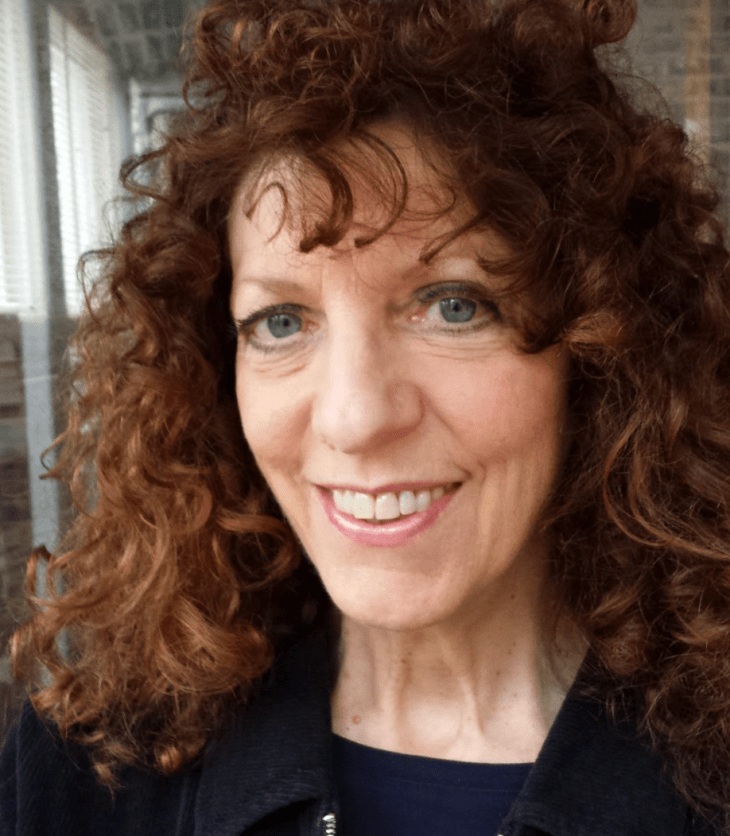
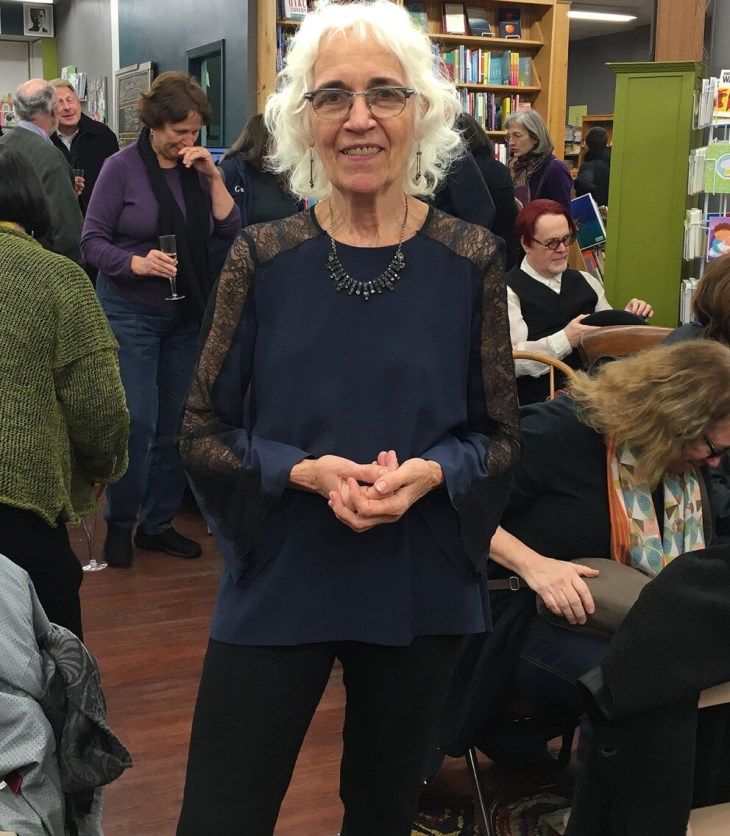
“Book bans have existed as long as there have been books, throughout history, just like war. It’s a form of war; part of war; part of politics and power grabs; part of trying to keep the population ignorant and deny people books. It’s also part of antisemitism and racism and every other oppressive movement you can think of,” Donna Seaman tells interviewer Carol Haggas.

“I wanted to say to my ten-years-ago self: ‘Oh Megan, don’t do that!’” An interview with Megan Stielstra

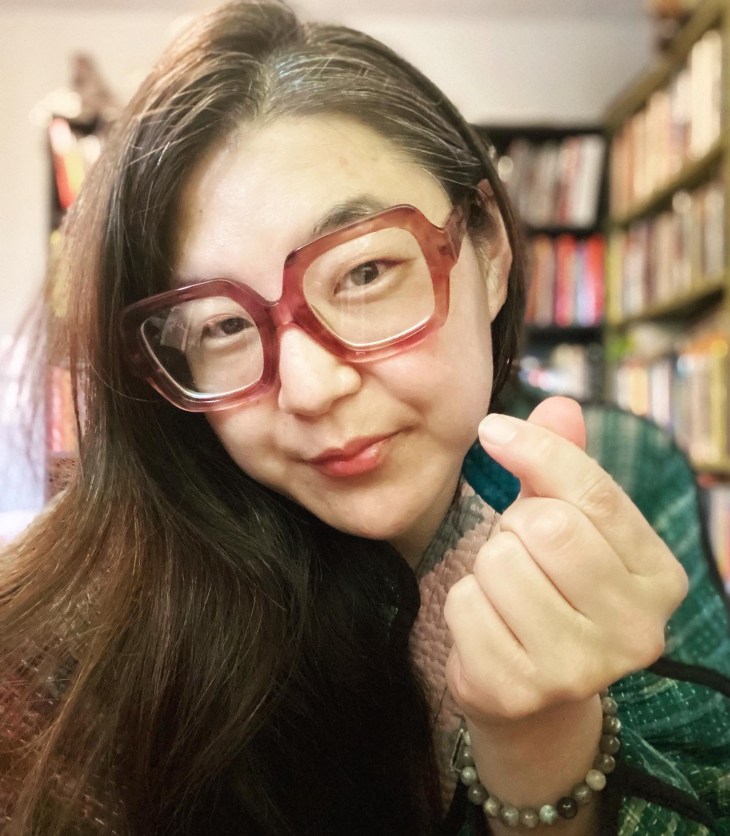
“If you want to be a writer, you get to be one forever. Sometimes that means big chunks of time where you are not building sentences because you’re living the experiences that you’re going to build the work out of. So drop the shame about it,” Megan Stielstra tells Barbara West.
(interview)