✶✶✶✶
(poetry)



Graphic essay mashup of an early 1950s pulp comic book and text from legendary Argentinian art collective Tucumán Arde.
(The Loop)
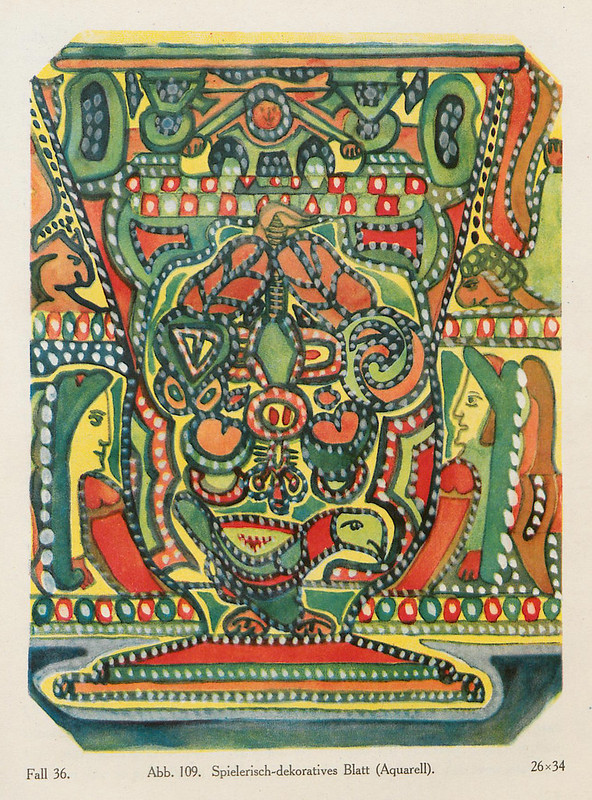
Nobody likes it when you scream in the street, when you turn over trash bins but can barely remember your own name.
(fiction)
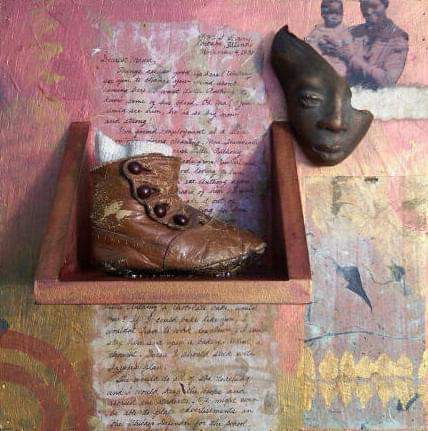
The bid-whist-playing, gin-drinking, chit’lin-cooking, barbecuing, party-loving Pattersons. That was Mama’s family–loud, boisterous and slightly disreputable. Miss Jonita declared them “country,” though the Pattersons had been established in Chicago a good half-century before Miss Jonita’s people came Up North, or as Black folks ironically deemed it, “Up South” from Arkansas.
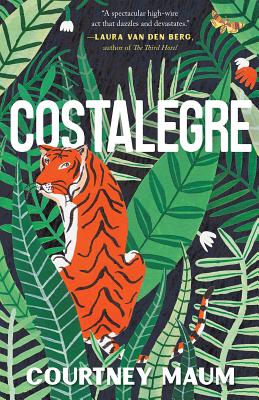
“It is, in so many ways, a novel about waiting. Lara waits to become an adult. The artists wait for the boat of their artwork to arrive in Mexico from Germany. They wait to feel inspired. Time is at once abundant, and yet, as concentration camp survivor, Konrad, is infinitely aware, terrifyingly brief,” Sarah Sorensen writes.
(review)
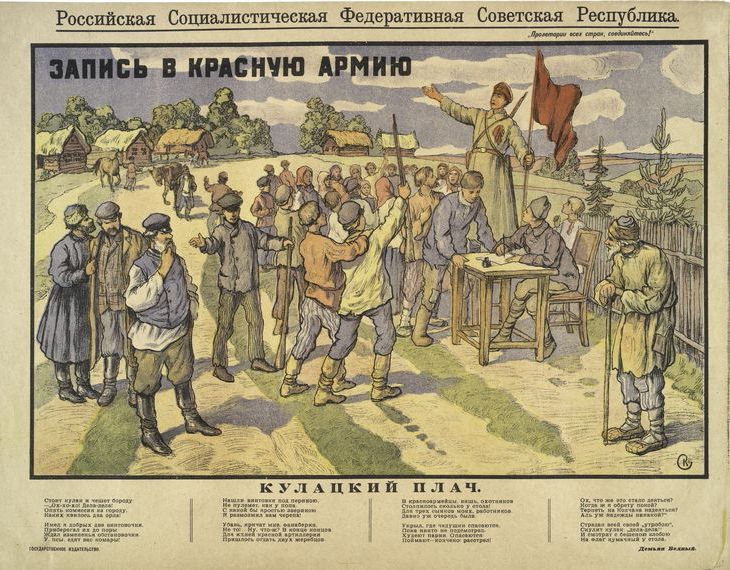
It becomes increasingly clear, then, that the government does not intend to use its army as an institution of pure militaristic purpose. If it did, then it would have focused on quality over quantity
(nonfiction)
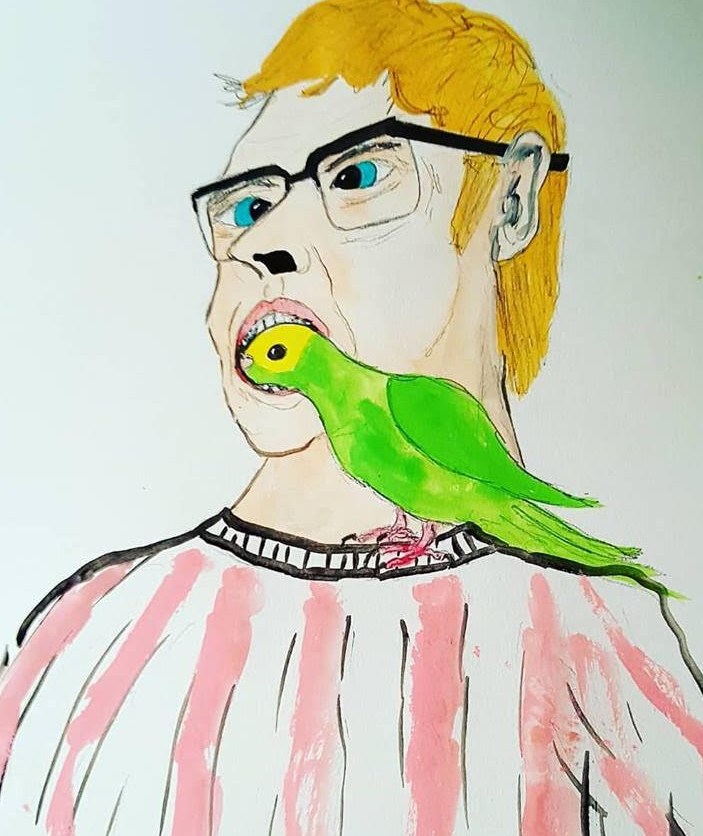

“People have certain views even about building walls, etc., but that doesn’t mean they’re racist, it means they’re genuinely afraid. Of course there were the weird, psychotic people but the majority of people it seemed to me were reasonable and kind, even the ones who hold certain views,” Tarek Mounib tells ACM.
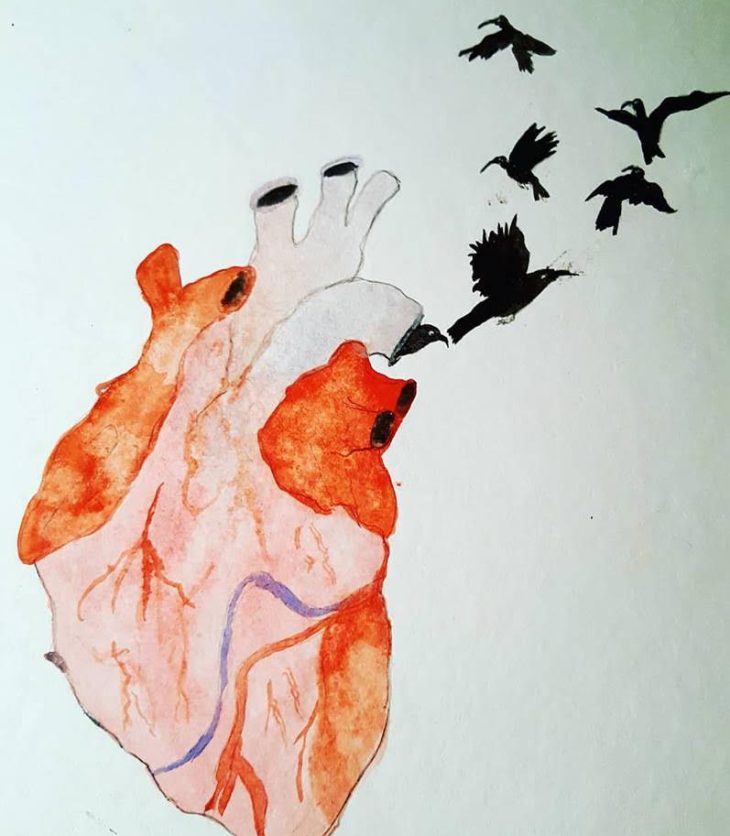
I glare at the construction crews. I search for where they’ve hidden the dynamite. They don’t know that I’m in the warehouse. I keep myself hidden. I’d like to sneak in and light it off, watch the fireworks. I imagine Rowan watching, too, knowing that it’s me.
(fiction)