To say that the often experimental stories in Amy Stuber’s “Sad Grownups” are clever, funny, and intelligently designed is accurate, but experimentation can give way to gimmickry, wittiness to cattiness, and none of that happens here.
(reviews)


To say that the often experimental stories in Amy Stuber’s “Sad Grownups” are clever, funny, and intelligently designed is accurate, but experimentation can give way to gimmickry, wittiness to cattiness, and none of that happens here.
(reviews)
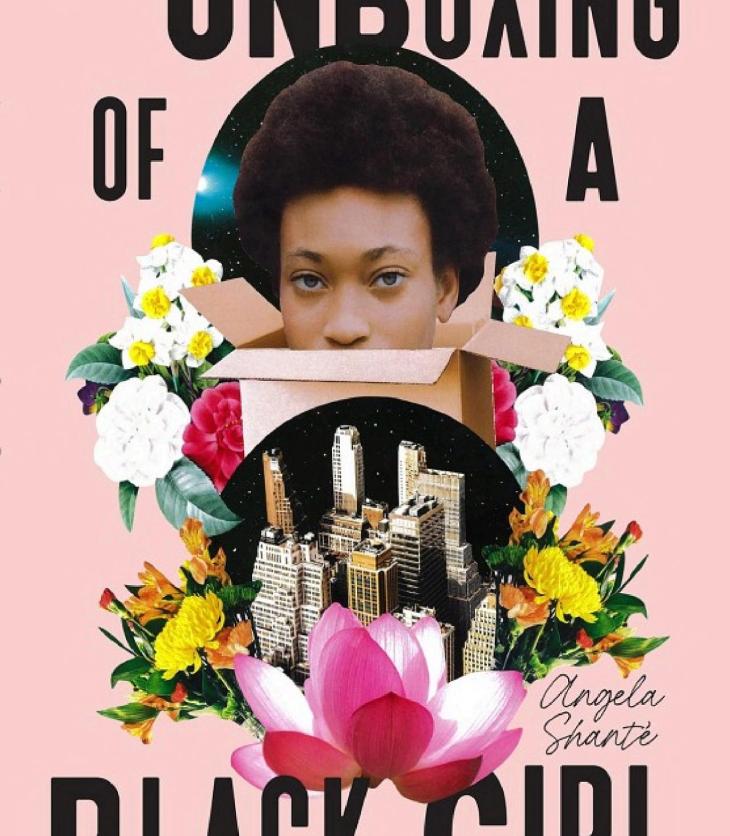
The poet writes of boxes, or labels, used to define and classify Black people, especially ingrained into the psychology of young Black girls. In her prose poem “Floss (Verb),” she introduces the verb meaning “to flaunt” in her own code of language.
(reviews)

People think I’m taller than I am. Bed is a good place to be. I miss you. I think I lost something.
(audiovisual)
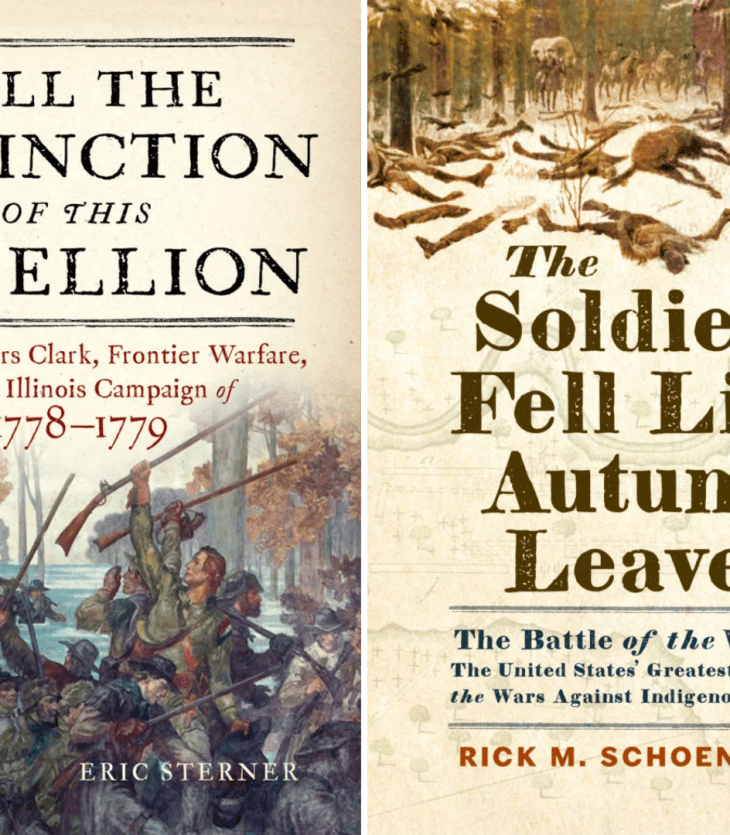
Rarely do we see the history of the Revolutionary War and Founding era considered in the context of Midwestern history. Most commonly, this time period’s impact on the Midwest is simply ignored…
(reviews)
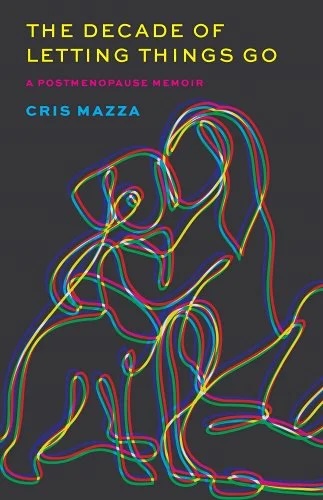
Cris Mazza’s ruminations, on full display, are provocative and frequently resonant of the shared problems we women must reckon with. She challenges us to refuse to be victims, she confides a hundred petty aversions it’s satisfying to recognize.
(reviews)
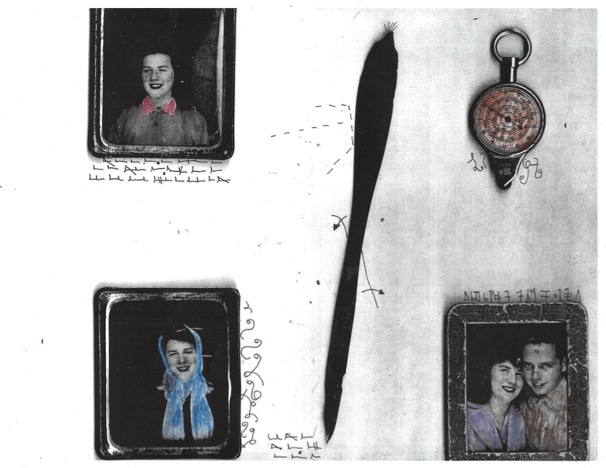
Has our attempt at diplomacy boiled down to arms shipments alone? We, like the Ukrainians, just want to raise our children, and have prosperity without greed.
(nonfiction)
You are cordially invited to join Another Chicago Magazine for a reading at Secret World…
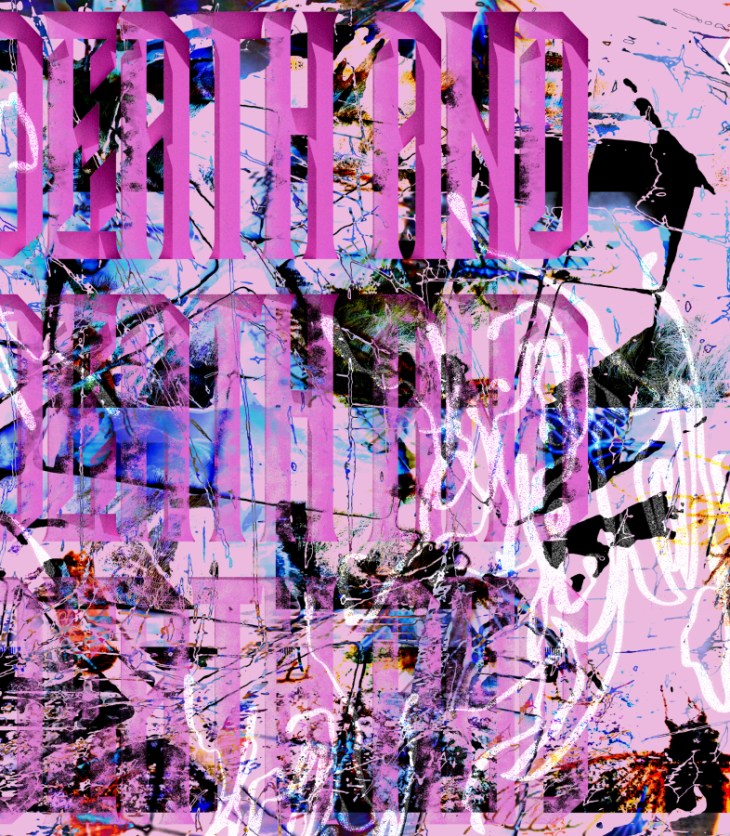
“Death and” is ultimately an epic fable about the relationship between its autobiographical speaker and the figure of Death as the speaker navigates plague, loss, precarious labor (sexual, manual, gig economy), and trans experience.
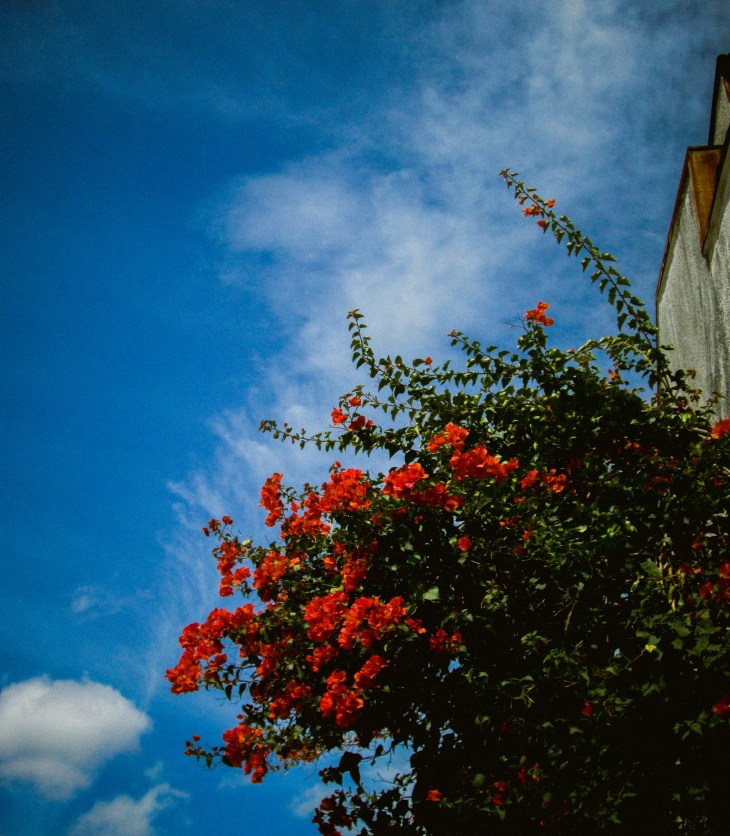
Part of our series of pieces inspired by the Democratic Party’s 2024 platform.
“We can recite the Preamble here,” my mother said.
“Who would hear us?” I asked.
“We can say it to the sky.”
(fiction)

Harvey’s book is like a collection of deeply intimate fables: fables that explore the past and present, familial relationships, nostalgia, and the ephemeral nature of life’s tragedies.
(reviews)

