Part of a series of Native poetry collected by Mark Turcotte.
they built the mall of america
like a curse over the convergence
of our dreaming
they carved their brave explorers names
all men
into our mother’s tongue
(poetry)

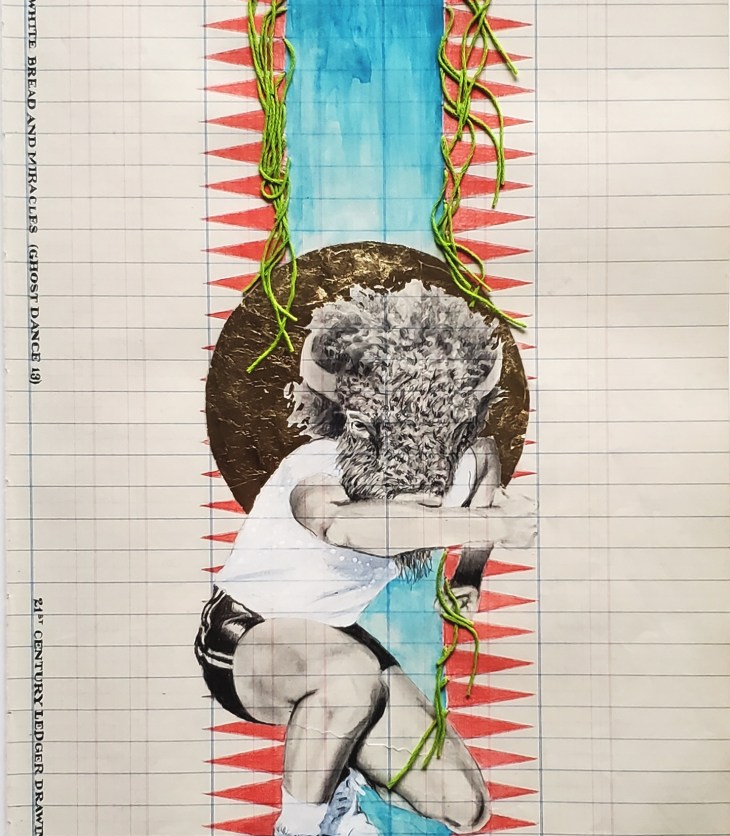
Part of a series of Native poetry collected by Mark Turcotte.
they built the mall of america
like a curse over the convergence
of our dreaming
they carved their brave explorers names
all men
into our mother’s tongue
(poetry)
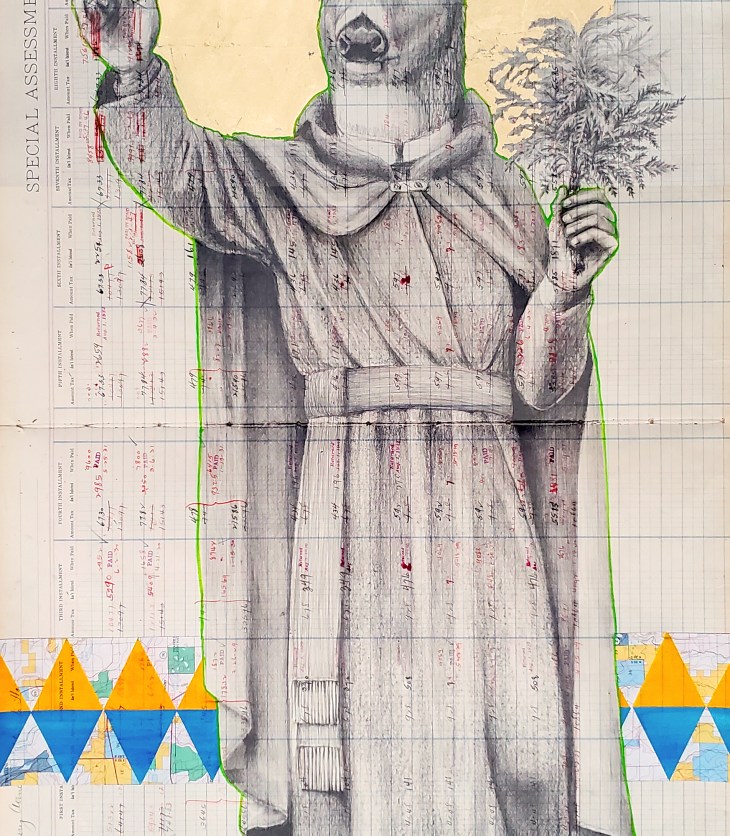
This is the first of a series of Native poetry collected by Mark Turcotte.
My father. I am your only son.
Look. In my hands I hold a name.
Ours. This proper noun we share.
Oh how you follow me still.
(poetry)
I have missed the predictable angles
of houses & the swollen arms
of buff dads. & these buff dads’
sullen children, their sullen faces
frowning across the road.
(poetry)

The latest in our FORTHCOMING series of excerpts from new and recent books:
A cloud spills grey
oil over their guns
They aim at a wolf
who, a second ago,
was someone’s son.
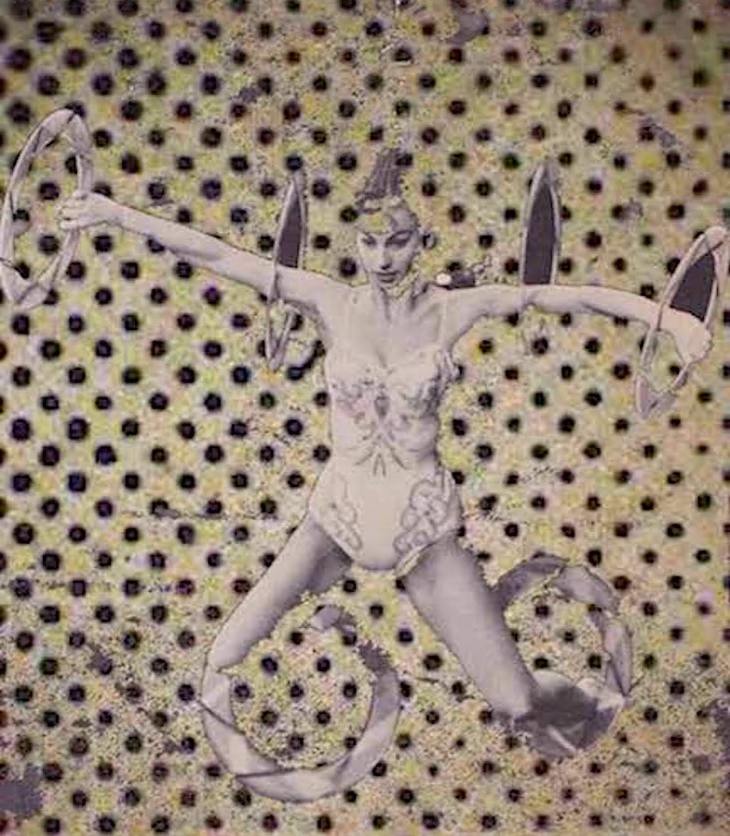
The world seems full of mystery, her best friend seems an exquisite one, and makes her feel as though, at forty-six, while life is often mundane and monotonous, full of the known and expected, somehow, you could find yourself emerging from an inflatable vagina, really, that’s what this thing was, in a haunted house in the middle of Iowa.
(fiction)
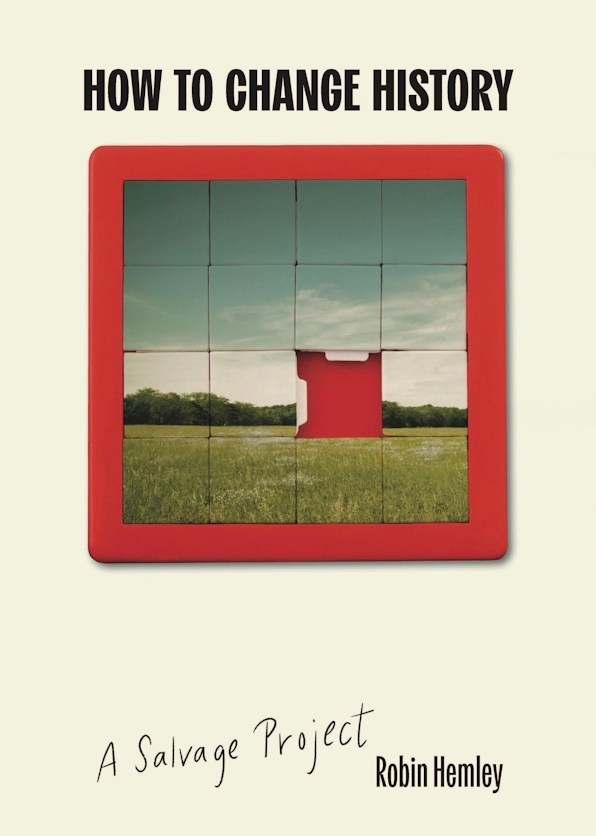
One way to change history for yourself is to gather new information that changes your understanding of the stories you’ve always told yourself, whether it’s about the disturbing sexual politics of Yaddo or your family’s relationship with Head Stooge Moe Howard.
(reviews)
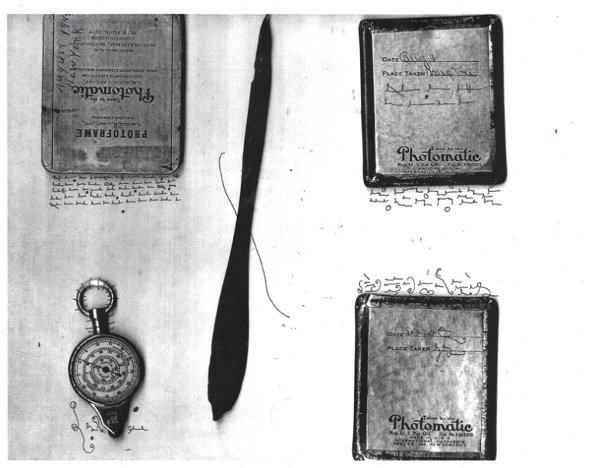
You cannot remember your very first bed, yet its quality defines the rest, because the slats of milk-tasting slumber, though they may bend, buckle, and widen with time, never disappear.
(No Place is Foreign)

The latest in our FORTHCOMING series of excerpts from new and recent books:
Unlike dementia, infant loss doesn’t induce a lingering forgetfulness. The pain of the birth, the fear of seeing Sophia’s tiny red body, the way her skin tore as she rolled on my chest, the slowing of her chest rising and falling, the doctor calling her time of death—remembering it all again was torture.

Hoffman’s stories revolve around a sense of being adrift. We drive, but go nowhere. We make loops and return to where we began. We are trapped within our decaying bodies, caught in systemic poverty, and broken by familial rupture.
(reviews)

Someone is calling to you from the sea,
beating the heavy waves with his tired hands.
(poetry/translations)

