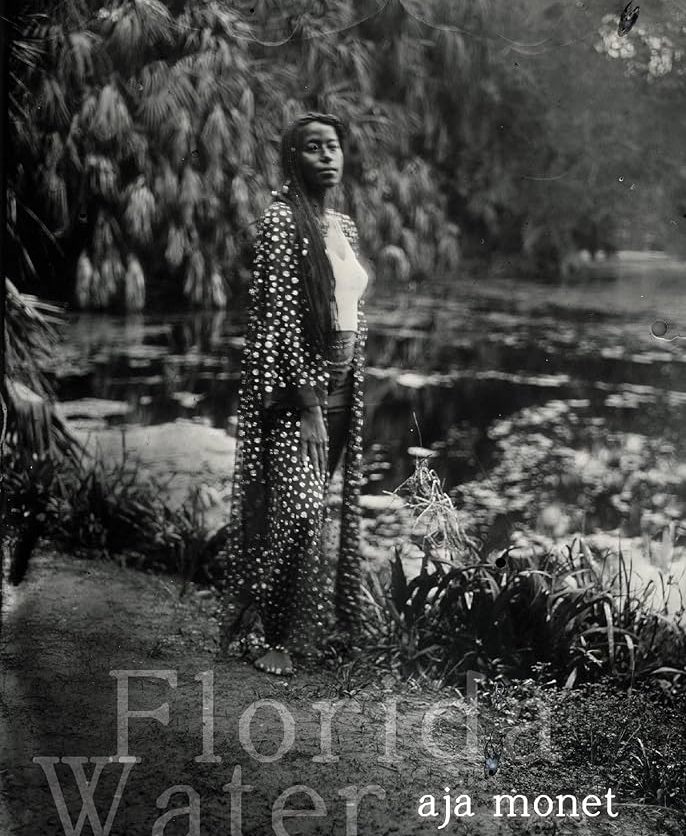
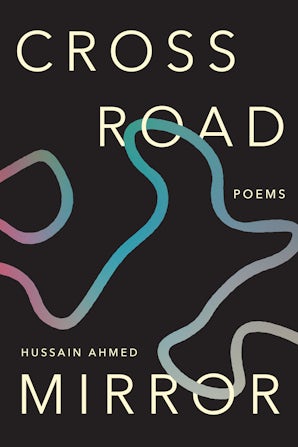
Mirroring Nigeria: Review of Hussain Ahmed’s “Crossroad Mirror” by Chinụa Ezenwa-Ọhaeto

Ahmed carefully layers Nigerian cultural practices into the poem’s emotional architecture. “Where I come from, silence is how you mourn a man without gray hairs”—the line invokes a northern Nigerian Muslim sensibility. It also hints at the Nigerian pattern of losing young men to violence, religious conflict, insurgency, and conscription.
(reviews)
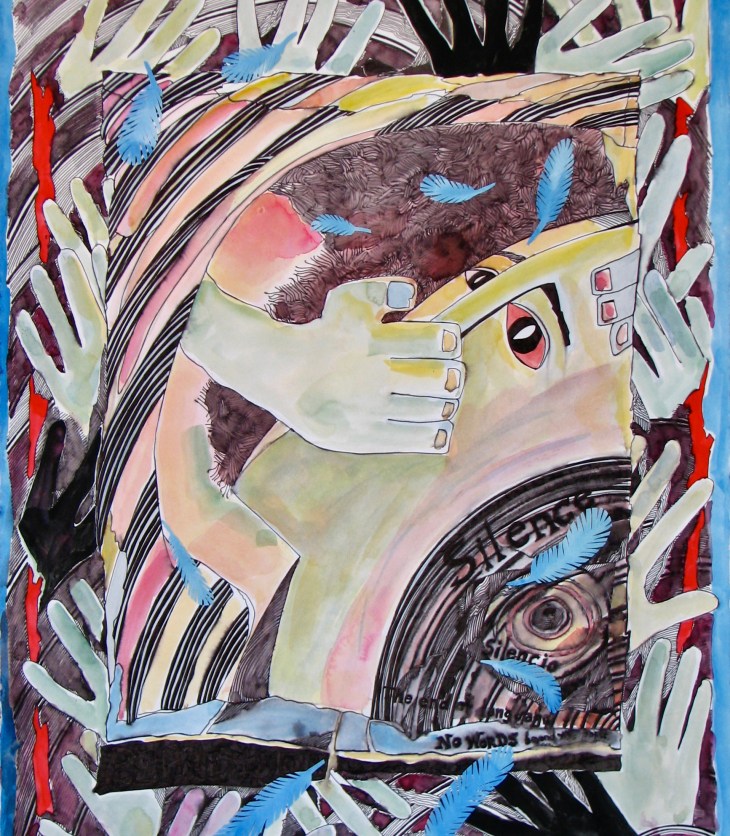
Review: Turning the Vase: Gustavo Hernandez’s “Bachelor” by José Enrique Medina

The poems refuse to dramatize feeling when intimacy is already present, letting proximity, stillness, and ordinary action carry the weight. Moments of connection are often pared down rather than heightened. After intimacy is established through shared gestures—errand talk, side-by-side movement, unremarkable speech—“Greenlight” concludes simply: “Nothing much happened.
(reviews)
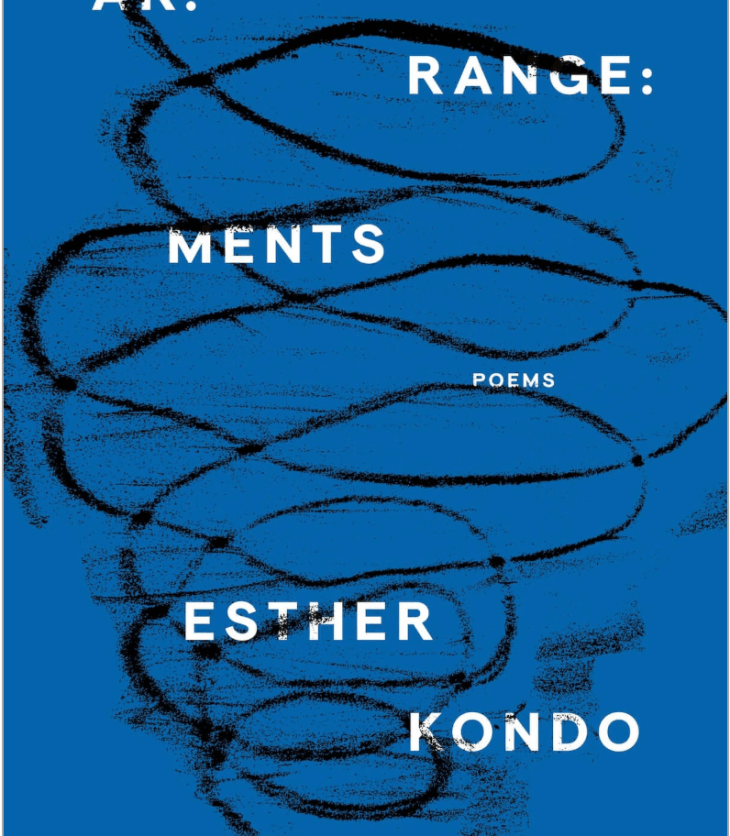
Review: Esther Kondo Heller’s “Ar:range:ments” by Matt Martinson

How does one write about the very things that defy language—things like loss, sorrow, not to mention potential words from the past that went unsaid? How does one convey language-defiant notions through language? For Heller, such linguistically impossible truths are conveyed with metaphor and story, but also with silences, approximations, and fragments.
(reviews)

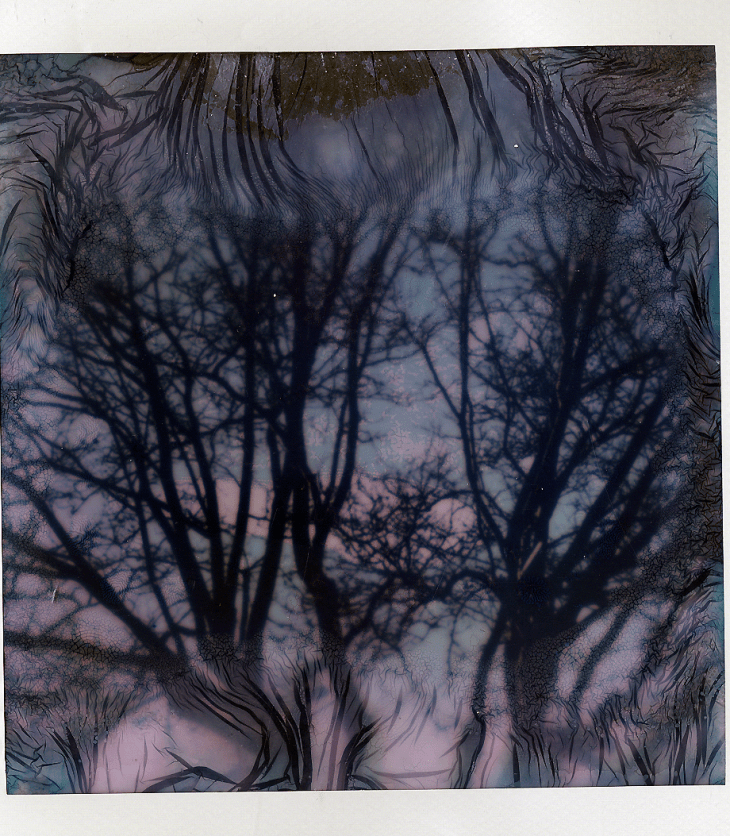
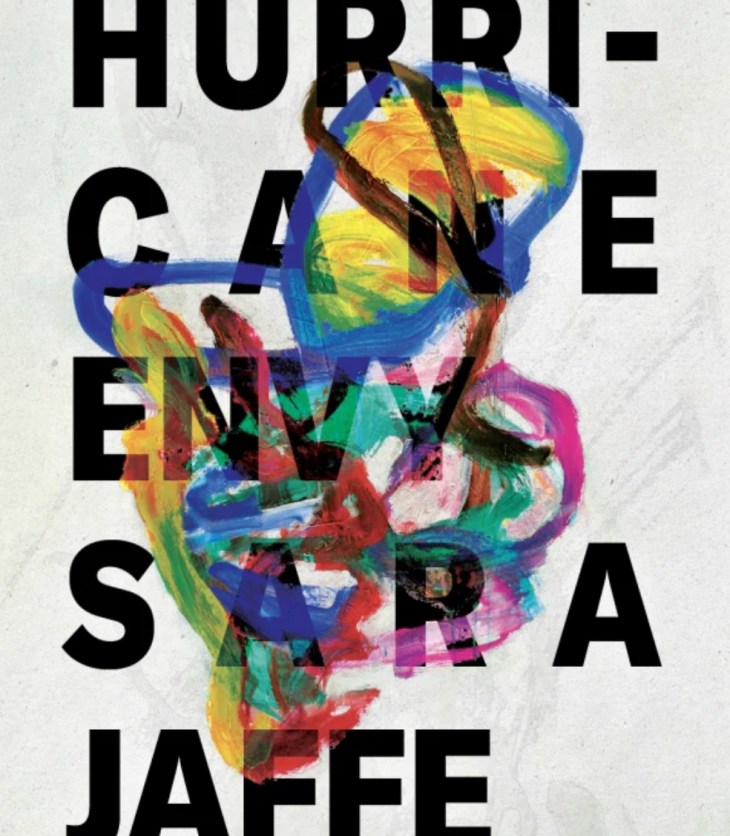
Review: Uncovering What Drives and Destroys Us in Sara Jaffe’s “Hurricane Envy” by Meredith Boe

The book’s title is derived from the story “Stormchasers,” in which a couple that moved cities constantly compares the two places while trying to establish a routine. They admit to having “hurricane envy” as they realize that a coming storm won’t really impact them, despite their preparations.
(reviews)